March 17 & 24
5 PM PT / 8 PM ET (90 min class)
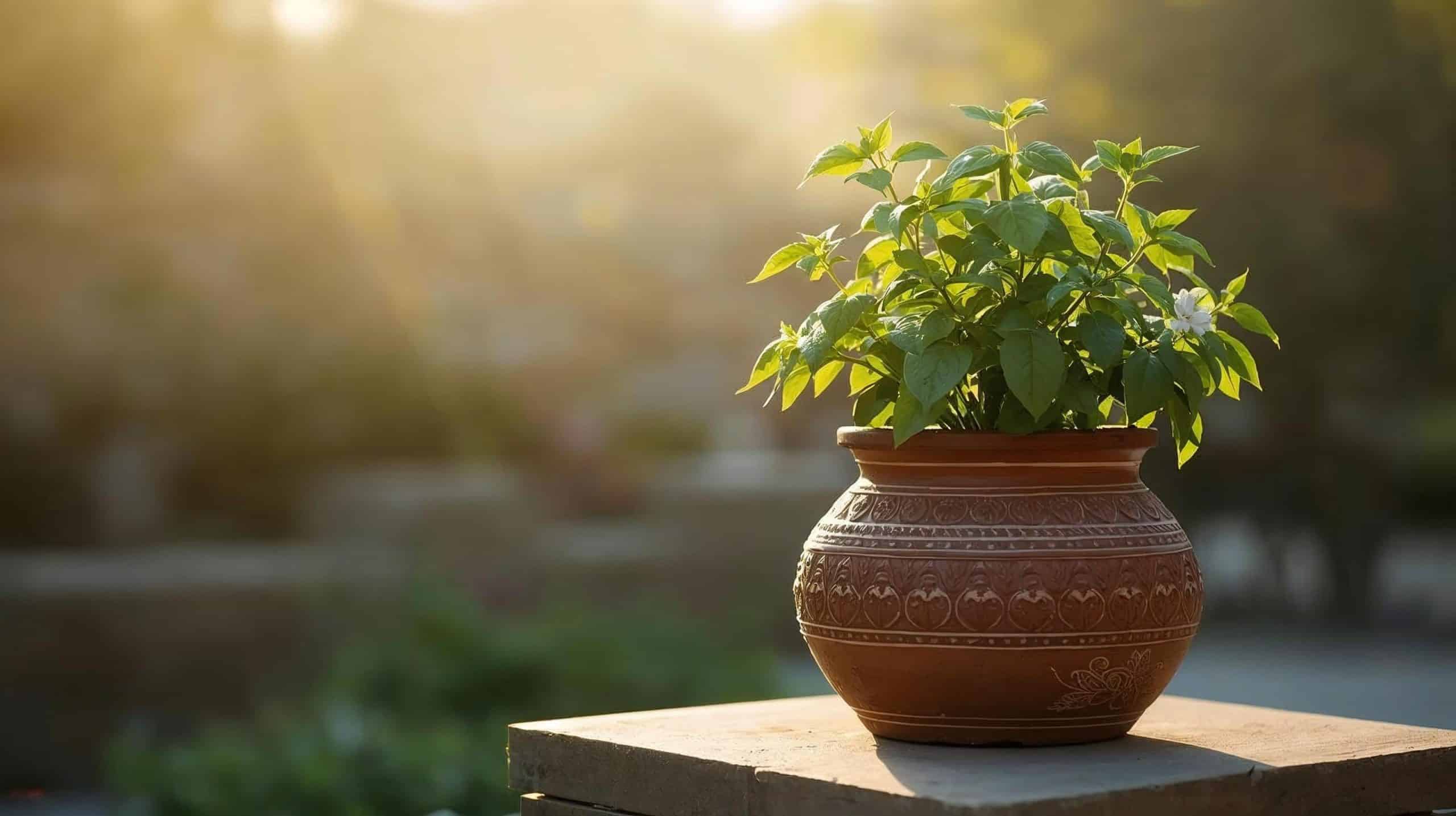
This two-part course offers a structured exploration of holy basil (tulsi) as one of Ayurveda’s most respected and widely used plants. Drawing on traditional knowledge and modern botanical understanding, the course presents tulsi as both a cultural symbol and a practical herbal ally.
You will begin by examining the origins of holy basil and its role in Indian culture, where it has long been associated with daily household use, spiritual practice, and seasonal wellbeing. The course explores how tulsi’s significance extends beyond symbolism into everyday herbal applications that support balance and resilience.
Building on this foundation, the course introduces the phytochemical profile of holy basil, explaining how its naturally occurring compounds contribute to its traditional uses. You will learn how different varieties of tulsi are classified, how they differ in aroma, energetics, and traditional application, and why these distinctions matter when selecting or working with the plant.
The course also reviews the many ways holy basil is traditionally prepared and used, including teas, powders, extracts, and compound formulations. Attention is given to how tulsi is combined with other herbs, how it fits into daily routines, and how it is approached within Ayurvedic dietary and lifestyle frameworks. Rather than prescribing specific protocols, the course emphasizes understanding, context, and informed use.
By the end of the two sessions, you will have a clear, well-rounded understanding of holy basil as a core plant in Ayurvedic herbalism and how it continues to be used thoughtfully in contemporary wellness practices.
What you’ll learn:
The cultural and historical significance of holy basil across traditions
Basic phytochemistry and naturally occurring compounds in tulsi
Key varieties of holy basil and their traditional distinctions
Common traditional applications and patterns of use
An overview of available preparations and formulations
This class is ideal for:
Individuals interested in traditional Ayurvedic herbs
Herbalism and nutritional therapy students
Wellness practitioners seeking foundational plant knowledge
General learners exploring culturally rooted herbal traditions
Anyone wanting a deeper understanding of tulsi beyond surface-level use