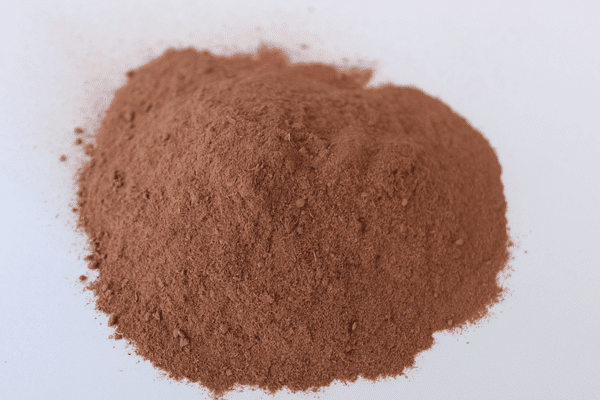
Arjuna is the bark of a large Indian tree, and it has been used for the heart for well over a thousand years. Among the many herbs in traditional Indian medicine, it is one of the few whose ancient use and modern research point in exactly the same direction.
That agreement is unusual and it is the main reason arjuna a modern star, as well as a legendary Ayurvedic herb.
The Tree
Terminalia arjuna is a tall tree that grows along riverbanks across India, reaching 60 to 80 feet. Its trunk is smooth and unusually pale, almost white, and that is where the name comes from. Arjuna means white or bright in Sanskrit.
The medicine is the bark. This matters, because bark can be harvested from a living tree and grows back, so the tree is not killed to make the medicine, which is not true of many herbal roots.
One caution on buying it. Two closely related trees are collected and sold under the same name, and once the bark is ground into powder they are almost impossible to tell apart. Look for the full botanical name, Terminalia arjuna, on the label. A product that says only “arjuna bark” may or may not be the right plant, so always procure it from reputable vendors.
What It Does
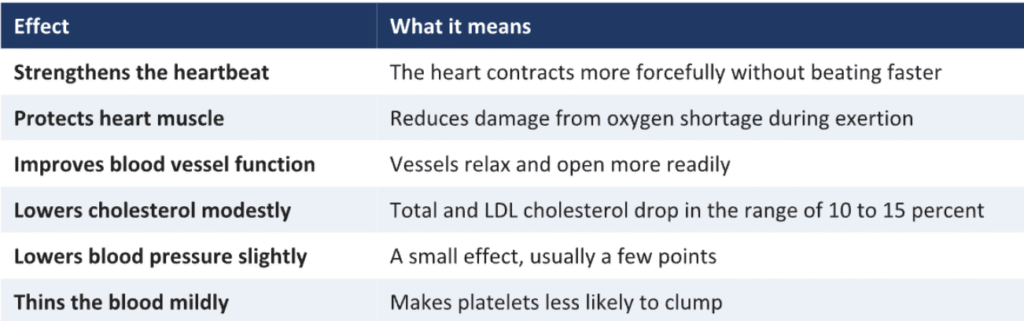
Arjuna works on the heart in several ways at once, which is typical of plant medicines and different from most pharmaceuticals.
The first of these is the most interesting. A number of drugs strengthen the heartbeat, and most of them do it in a way that can trigger dangerous rhythm problems if the dose is even slightly too high. Arjuna works through a different mechanism and does not carry that particular risk, unlike like digitalis, the old heart drug made from foxglove.
What the Research Shows
Most of the human research is on angina, meaning chest pain that comes on with exertion because the heart is not getting enough blood.
In several trials, people taking arjuna had fewer episodes of chest pain and could walk longer on a treadmill before symptoms started. One study compared it against a standard nitrate medication and found the exercise results broadly similar, with fewer side effects and no headaches, which nitrates commonly cause.
Smaller studies in heart failure have shown improved symptoms and better pumping function. Studies in high cholesterol have shown consistent modest reductions.
These are real findings from real trials. They are also mostly small studies conducted in India, and most have not been repeated at the scale that pharmaceutical trials reach. Arjuna use is based mainly on tradition.
How It Is Taken
The milk preparation is the traditional method for heart use, and it is worth understanding why. Arjuna is a drying herb. Taken as a dry powder every day for months, it can leave people feeling dry, with constipation, dry skin, or joint stiffness, particularly if they already tend that way. Simmering it in milk offsets that.
If you are taking it long term and are using capsules, taking them with warm milk accomplishes much the same thing. Give it eight to twelve weeks. Heart and cholesterol effects build gradually and nothing meaningful will be visible in the first two or three weeks. This is the point at which most people quit, and it is worth knowing in advance.
Side effects are generally mild. Some people get mild stomach upset or constipation, which the milk preparation usually resolves.
The Most Important Thing
Arjuna is a supportive herb, not a replacement for heart medication if a drug is needed. Often, though, arjuna alone will do the job.
Used, possibly alongside conventional care, it is one of the more reasonable herbal choices available for the heart.