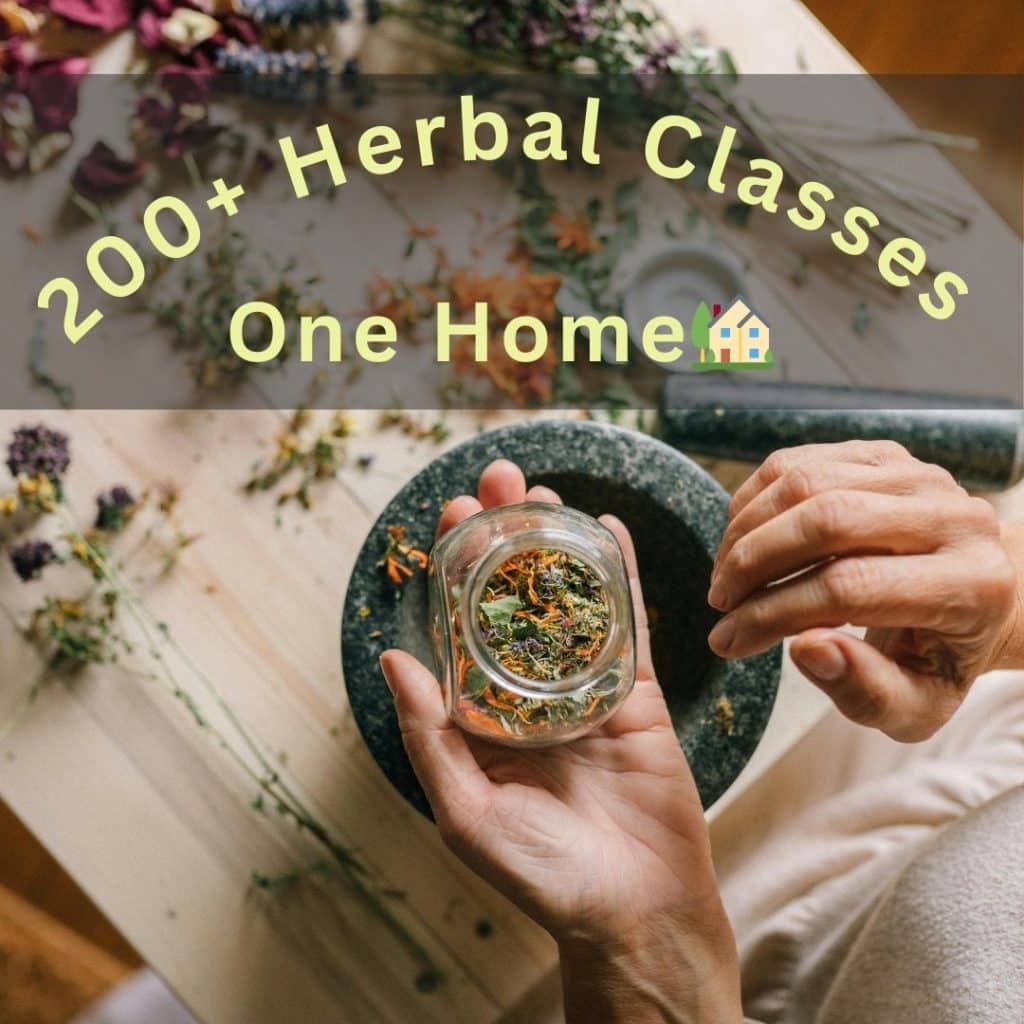
Flexible Herbalism is a comprehensive four-part training designed to help herbalists move beyond memorization and into true clinical fluency. Taught by K.P. Khalsa, this course reframes herbal medicine as a dynamic, global practice—one that adapts to changing availability, cost, ecology, and cultural context without sacrificing effectiveness.
The series begins by examining how modern herbalism has evolved over the past several decades, including the collapse and revival of Western herbal traditions and the emergence of a truly global materia medica. From there, students are introduced to the core principles of Flexible Herbalism: understanding botanical families, recognizing shared constituents across unrelated plants, and choosing herbs based on function rather than fixed tradition.
A major focus of the course is learning how and why substitution works. Students explore how plants from different cultures often perform similar therapeutic roles because they share chemistry, energetics, or physiological effects. Through detailed study of major plant groupings—especially the Parsley family (Apiaceae) and the Rosales order—participants learn to confidently replace expensive, scarce, or ecologically stressed herbs with accessible alternatives.
Clinical applications are woven throughout the series, including strategies for supporting digestion, circulation, pain, coughs, stamina, sleep, constipation, and cardiovascular health. Food herbs, fruits, seeds, barks, and common plants are shown to be powerful tools when understood within their botanical and energetic context.
The course also emphasizes sustainability, ethical sourcing, affordability, and patient compliance, helping practitioners design formulas that are both effective and realistic in everyday practice. By the end of the series, students gain a flexible decision-making framework that allows them to work creatively across traditions, regions, and clinical situations.
This training empowers herbalists to practice with greater confidence, resilience, and ecological awareness—no matter where they live or which herbs are available.
What You’ll Learn
How to substitute herbs safely and effectively across traditions
Botanical family patterns and why related plants share therapeutic actions
Shared constituents (e.g., tannins, aromatics, salicylates) across cultures
Using local and food-based herbs as clinical alternatives
How dose, preparation, and quality influence outcomes
Strategies for reducing cost, scarcity, and ecological impact in practice
This Course Is Ideal For
Herbalists seeking stronger substitution and formulation skills
Students of Western herbalism, Ayurveda, or Chinese medicine
Home herbalists wanting accessible, affordable options
Practitioners concerned with sustainability and ethical sourcing
Wellness professionals working with a global materia medica