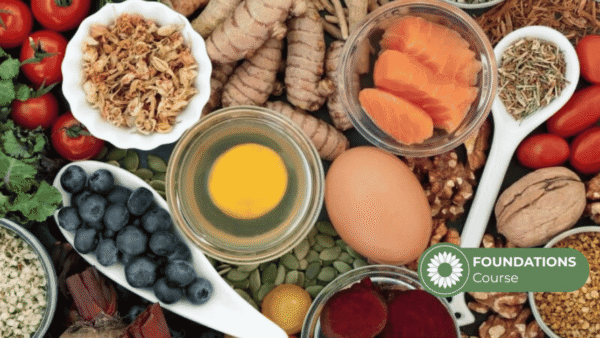
Seasonal food traditions developed in response to climate, geography, and human physiology. In winter, many cultures independently arrived at similar dietary strategies: warmer foods, longer cooking times, and an emphasis on nourishment and digestibility. This course examines those shared principles through the lenses of Ayurveda, Chinese dietetics, and Western natural healing traditions, helping you understand not just what people traditionally ate in winter, but why.
You will explore how winter’s environmental qualities are understood to influence the body, including slower metabolism, increased dryness or dampness, and greater demands on digestion and circulation. The course explains how food temperature, preparation methods, and flavor profiles are traditionally used to counterbalance these seasonal influences. Attention is also given to the concept of food as a continuum between nourishment and medicine, a perspective common to many traditional systems.
Rather than focusing on individual ingredients in isolation, the course emphasizes patterns: how grains, vegetables, legumes, fats, spices, and broths work together within meals, and how cooking styles such as soups, stews, porridges, and long-simmered dishes support winter physiology. You are encouraged to apply these ideas flexibly, taking into account personal constitution, local climate, and available foods.
What you’ll learn:
How traditional systems understand the impact of winter on digestion, energy, and circulation
The role of food temperature, texture, and cooking methods in seasonal balance
Why warming, nourishing, and easily digested meals are emphasized in winter
How flavors and spices are traditionally used to support metabolism and elimination
The concept of food as both nourishment and gentle, daily support
This class is ideal for:
Students of Ayurveda, Chinese medicine, or holistic nutrition
Herbalists and wellness practitioners interested in seasonal food theory
Home cooks seeking deeper context for winter cooking traditions
Individuals exploring seasonal eating beyond modern diet trends
Anyone wanting to align food choices with natural rhythms and climate